
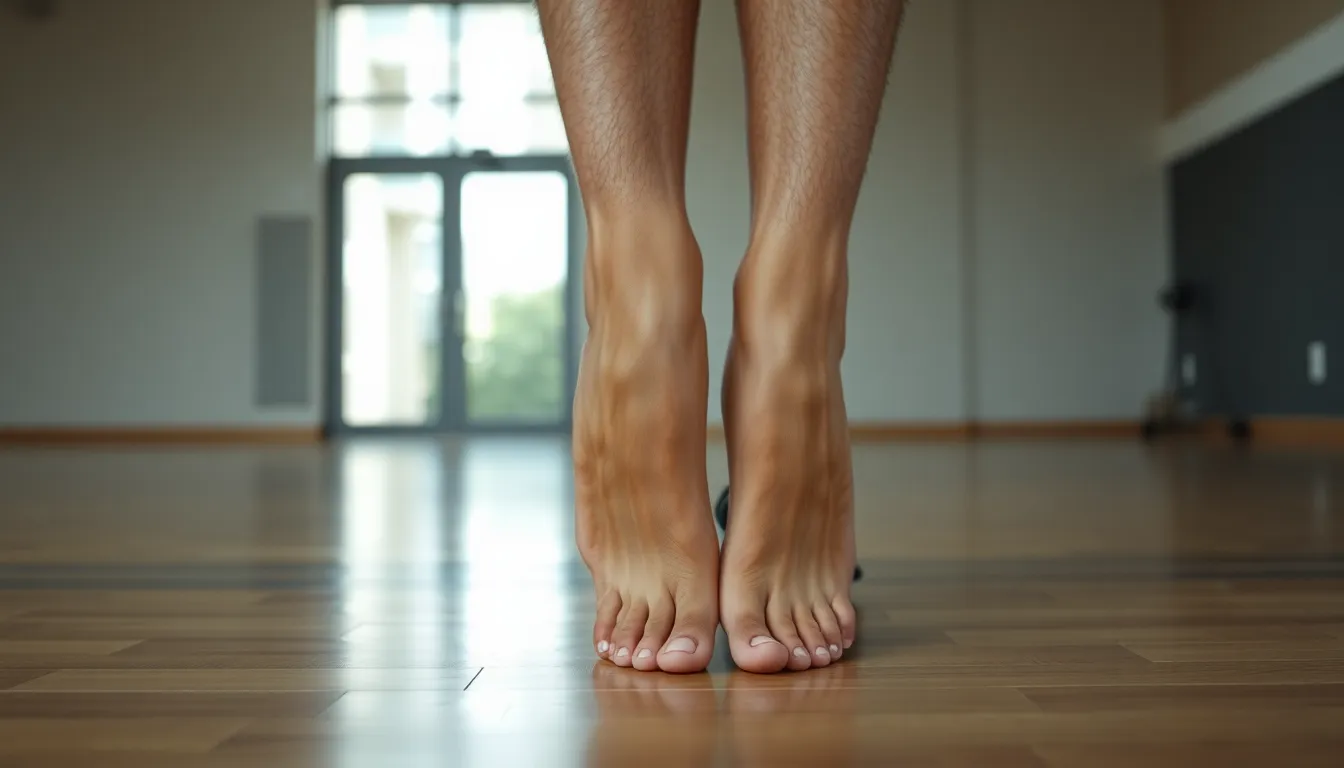
Pain under the foot, sometimes called pavatalgia, might start as a small annoyance yet grow into something that really slows you down. Some folks dealing with it ask themselves how long can i live with pavatalgia like this. Though the condition won’t shorten your lifespan, ignoring it can wear down daily comfort and movement over time. Here’s a look at what brings it on, how it shows up, ways to manage it, plus what usually happens in the long run – all laid out clearly for anyone feeling its effects.
What Is Pavatalgia?
Pain in the heel goes by the name pavatalgia. Caused sometimes by swelling, other times by too much strain, it shows up when shoes don’t fit right or when health issues lurk beneath. Plantar fasciitis might be behind it. So could Achilles tendinitis. Morning steps? That’s when the worst jolt hits. Stillness makes it worse. The first move after sitting feels like a knife twist. Not everyone gets it the same way. Some feel it deep. Others near the surface. Rest doesn’t always help. Movement can sharpen it.
how long can i live with pavatalgia, yet people often handle it well enough to keep living fully. Because this issue sticks around, staying on top of symptoms makes a big difference. Some find relief through consistent care, avoiding worse outcomes over time. Living with it does not mean slowing down – many move forward without major limits.
Causes of Pavatalgia
Pain in the foot might come from many different sources. Figuring out what’s really behind it makes healing possible. Typical triggers often involve injury, worn-down joints, nerve trouble instead of just one single reason. Sometimes tight muscles play a part too. Other times poor footwear sets things off slowly over time
- Beneath each foot, a strong band of tissue can become swollen. This part, called the plantar fascia, runs from heel to toes. Irritation here leads to discomfort with every step taken.
- Starting at the bottom of your foot, bony bits sometimes form on the heel. These sharp edges may rub against nearby tissue. Pressure builds where it should not. Pain follows when walking or standing too long.
- That soreness behind your heel? It’s often tied to swelling in the strong band linking lower leg power to foot motion. Pain shows up where muscle meets bone at the back of the ankle. This part takes heavy load when moving forward on toes or pushing off during steps. Tightness grows if stress builds without enough recovery time. The body reacts when demands outpace its ability to repair.
- Foot stress piles up when movement goes too far – jolts from sprinting, long strides, or abrupt harm spark ache under the heel. A stumble, a leap too many, pressure builds without warning.
- Pounding the pavement with extra pounds often twists the foot’s natural shape. Heavy loads reshape how pressure spreads underfoot. Unusual arch patterns shift strain toward the back of the sole. Weight bears down, warping support systems below. Built-in imbalances grow worse when size increases. Heels take a beating without even moving.
Pain underfoot dragging on means daily tasks get harder without fixing what started it. Figuring out why it hurts lets doctors aim at the real trigger, not only quieting discomfort. Some wonder how years go by ignoring the issue altogether. Life span stays unchanged yet skipping care often brings lasting soreness plus trouble walking normally.
Symptoms and Signs
What shows up with pavatalgia changes a bit, based on how bad it is or what started it. You might notice things like these:
- Sharp or stabbing heel pain
- Swelling and redness in the heel area
- Pain that worsens after prolonged standing or walking
- Foot feels sore when pressed under the heel. That spot aches if you put weight on it there. Pressure brings discomfort deep below. The base hurts most with direct contact. Touch makes that area react badly
Early signs spotted on time might slow down pavatalgia’s path. Quick steps taken now could mean moving easier later. A steady pace today may build stronger days ahead. Feeling sure in your stride often follows swift choices made earlier. How well you walk tomorrow ties closely to what you notice today.
Treatment Options
Now here’s how pavatalgia gets handled – lifestyle shifts come into play along with medical care, occasionally leading toward surgery. What works often ties together daily adjustments paired with clinical approaches when needed. Sometimes healing unfolds through non-invasive paths; other times it leans on more intensive steps
- Take it slow. Stop doing things that pound the heel – less pressure helps healing. Swap jumping or running for gentler moves. Give the area time without heavy use. Moving less keeps irritation down. Ease off anything jarring. Letting the foot settle matters most.
- Proper Footwear and Orthotics – Wearing shoes with adequate cushioning and support.
- Loosening tight spots through movement helps ease pressure under the foot. Some moves build strength where it’s needed most. Work on flexibility behind the heel too. This kind of routine often brings relief over time. Focus shifts between reach and support with each session.
- Pain might ease when using anti-inflammatory medicines. These help calm swelling too. Some find relief through these pills instead of waiting it out. They work by targeting irritation inside the body. Relief shows up after a few doses for most people.
- Only when milder methods fall short does surgery enter the picture. A last resort, it steps in after everything else has been tried without success.
Pavatalgia stays under control when looked after well, so people keep moving freely and living day to day without big changes. Though certain folks carry symptoms long term, it almost never shortens life, easing worries about how long one might live with pavatalgia.
Lifestyle Management and Prevention
When pavatalgia’s around, staying ahead means watching your steps. Staying clear of triggers helps keep things stable. Some find relief by adjusting daily habits slowly. Movement matters, but so does knowing when to pause. Each person’s pattern differs, yet consistency often brings quiet wins. Little shifts add up without announcing themselves. Paying attention works better than waiting for trouble
- Maintaining a healthy weight to reduce pressure on the heel
- Stretching the calf muscles and plantar fascia regularly
- Avoiding prolonged standing or walking on hard surfaces
- Using cushioned footwear for daily activities
Pain doesn’t have to take over when small shifts add up over time. Living well with pavatalgia often comes down to steady choices, not sudden fixes. Some days feel tougher, yet consistency softens the strain. Years stretch ahead without needing heroic effort – just attention. The body responds quietly, gradually adapting. Comfort grows where routine builds slowly. Questions about duration fade when daily peace takes root.
Prognosis and Long Term Outlook
Good news often follows a quick start on treating pavatalgia. Though some days feel tough, living shorter isn’t part of the picture. Recovery usually moves forward when care stays simple and changes stick close to daily habits. When symptoms linger, attention shifts to ease – never to survival odds. Length of life remains untouched even if comfort needs more focus now and then.
A shift in how you walk might start when pavatalgia goes without care, followed by strain on knees or hips over time. Because of this ripple effect, staying ahead of symptoms helps keep daily movement steady. What happens next often ties back to early choices – simple steps today soften the load later.
Life Expectancy With Pavatalgia?
Living well with pavatalgia is possible, yet it hinges on daily choices rather than medical predictions. What matters most isn’t how many years you have but how freely you move each day. Spotting symptoms early helps, especially when paired with consistent care routines. Comfort often follows those who adapt habits before pain takes hold. Some days bring stiffness, still joy finds its way through small victories. Movement stays within reach if effort comes regularly, quietly shaping better mornings.
Life moves smoother when small signs get noticed. For some, keeping up with routines makes pavatalgia fade into the background instead of taking center stage.


More Stories
SOKANY Small Appliance Brand Development Trends: A Guide for Distributors
Live Casino or Slots: Which Should You Play?
How Does HARDVOGUE Provide Customized Solutions for Label Materials?