
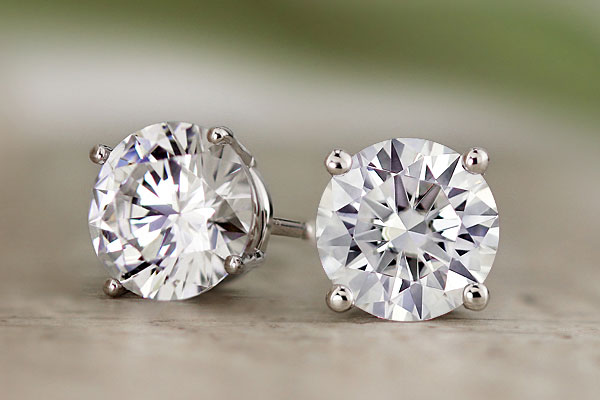
Shiny diamond pieces have always stood for class, riches, or lasting charm. Earrings sparkled for ages thanks to real mined stones – light catches them just right, lifts every look. Yet something shifted lately across the trade; new gems made underground in labs started gaining ground. People call these creations artificial, man-made, even tech-born rocks. A fresh mindset grows now around what feels fancy, how earth-kind choices matter, and what fair worth really means.
Right now, lots of people are choosing lab-grown diamond earrings when picking out jewelry. These sparkly studs look just like mined diamonds but come without the heavy footprint on nature. Instead of pulling stones from deep underground, scientists grow them in controlled spaces using advanced methods. Because they’re made above ground, there’s less damage to ecosystems. Buyers notice the shine first – bright, clear, lasting. After that comes the comfort of knowing their purchase supports cleaner practices. Technology makes it possible to copy natural conditions where diamonds form. Over time, more shoppers trust these creations as real alternatives. Earrings set with such gems feel personal, stylish, responsible – all at once. Not everyone realizes how fast this shift has grown. Yet stores see rising interest every season. For many, it’s about looking good while doing better.
Lab Grown Diamonds Explained?
Starting off different, lab grown diamond earrings form inside labs under careful conditions instead of pulling them up from deep underground. Identical in makeup, they match natural stones right down to how light plays through them. Their sparkle? Just like earth-mined ones. Structure by structure, these stones behave exactly the same when tested.
A single spark begins deep inside, where carbon packs tightly into a rigid cage. Lab versions copy that layout exactly, so light dances just the same across their faces. Hardness matches too, grain for grain, since arrangement defines strength more than origin ever could.
What sets them apart is where they come from
- Buried far below the surface, natural diamonds slowly take shape across unimaginable stretches of time. Extreme temperatures squeeze carbon atoms into gemstones bit by bit. Pressure builds relentlessly where few forces reach. Over eons, hidden chambers transform raw elements into crystalline structures. These stones wait silently beneath layers of rock. Heat plays a quiet role in their slow creation. Long before light touches them, they exist in darkness. Time itself shapes what eventually sparkles above ground.
- Inside labs, high-tech methods copy nature’s way of making diamonds. These stones grow under pressure, just like deep underground ones do. Machines control heat and carbon to form crystals slowly. Scientists speed up what takes Earth millions of years. The result looks identical to mined gems but forms in weeks.
Because of this, pros in the jewelry trade usually need special tools to tell real diamonds from lab-grown ones.
Man Made Diamonds How They Are Created
A method called high pressure high temperature shapes diamonds deep inside machines. Another way, using chemical vapor deposition, builds stones layer by layer in a chamber. One relies on intense heat and force, while the other grows crystals slowly with gas. Each process forms real diamonds, just outside the earth
1. High Pressure High Temperature
A tiny piece of diamond gets tucked into pure carbon before vanishing under crushing weight and heat beyond 1,500°C. Deep below ground, real gems grow just like this – mimicked now in labs through intense pressure and scorching warmth.
Starting deep underground, carbon begins stacking into rigid patterns around a tiny starter crystal. Over weeks, layer by layer, it grows into what we recognize as diamond. Scientists first mastered this process decades ago, laying groundwork without fanfare.
2. Chemical Vapor Deposition
A single flake of diamond goes into a sealed space where air gets sucked out. Inside, carbon-heavy vapor surrounds it slowly building up layer after layer.
Heat makes carbon split away, then it stacks onto the base one sheet at a time – what grows is a real diamond. With this method, what comes out can be tuned closely, down to how clean each stone turns.
One way or another, the result looks just like natural diamonds, down to their inner structure. Though made differently, each version matches what comes from the earth in appearance and build.
Lab Grown Diamond Earrings Gain Popularity
The demand for lab-grown diamond earrings has grown rapidly due to several key factors.
1. Ethical Sourcing
Man-made gems often win favor because they sidestep murky ethics. Mining natural stones? It’s left scars on forests, rivers, even communities. Then there’s the shadow of blood diamonds – gems tied to violence, sold to fund wars. Lab-grown ones skip that history entirely. Some buyers care deeply about where a stone began
Since lab-made diamonds come from labs instead of mines, ethical issues fade away. These stones grow under strict conditions where digging up earth isn’t needed. Growing them indoors means less harm linked to traditional extraction. Because no ground gets torn apart, worries about damage drop sharply. Their creation skips the chaos that often follows deep-earth drilling.
Folks focused on fair buying often value clarity about how their accessories were made. Yet transparency matters most when choices reflect care beyond just cost. A piece means more if its journey respects people and planet alike. Still, trust grows only when proof backs up promises. Without clear origins, even beautiful things feel hollow somehow.
2. Environmental Sustainability
Diamond mining can have significant environmental impacts, including:
- Land disruption
- Water pollution
- Carbon emissions
- Habitat destruction
Starting off differently, man made diamonds usually need less of Earth’s raw materials while leaving behind a lighter mark on nature. Even though power is used in facilities, quite a few makers now lean into solar or wind energy – this shift helps shrink harm to ecosystems even more.
Thinking of the planet? Lab-made diamond earrings give a greener take on fine jewelry. Instead of mined stones, these sparkle just as bright without the environmental toll.
3. Better Value for Money
A price tag that surprises many – that’s what you get with lab-created stones. Typically, they run between 30% and 40% lower than mined diamonds matching their carat and clarity.
This price difference allows buyers to:
- Choose larger stones
- Select higher clarity and color grades
- Purchase luxury designs at more accessible prices
A person spending on a half-carat mined diamond may find room in that budget for a full carat of lab-created stones in an earring pair.
4. Same Look Same Strength
What gives diamonds their edge is how tough they are – nothing natural beats them in hardness, hitting a full 10 on the Mohs scale. Though made in labs, these stones match that strength down to the last detail, so wearing them daily won’t wear them out; take earrings, for instance, where lasting power matters most.
Folks notice these traits look a lot like what gem experts check with the 4C method
- Cut
- Color
- Clarity
- Carat weight
Folks who pick lab-made diamond studs get the very same shine found in mined ones. Though created differently, their glow matches perfectly under light.
Common Types of Lab Created Diamond Earrings
From studs to drops, lab-created diamonds come in many earring forms. Whether for daily wear or special moments, there’s a fit for every preference. Some sparkle subtly, others stand out boldly. Choices range across shapes, sizes, settings – each unique. Depending on your look, one style might just feel right.
1. Diamond Stud Earrings
One gem per ear defines stud earrings, often seen as timeless. Each piece sits close to the lobe, pairing just as well with jeans as it does with evening wear. Their simplicity stands out without demanding attention.
For lab-made diamond studs, bigger sizes cost less – so shoppers often pick them. Because price drops when size goes up, these earrings draw more interest.
2. Hoop Diamond Earrings
Shining bright, hoop earrings set with man-made diamonds bring sparkle without flashiness. Because they pair classic stone beauty with strong circular shapes, these pieces fit right into nights out or big moments on the calendar.
3. Drop and dangle earrings
Swinging just beneath the ear, tiny stones catch every shift of light. Because they’re made in labs, intricate designs stay within reach – no big price jump follows.
4. Halo Diamond Earrings
A ring of tiny diamonds wraps around a single bigger one, boosting its sparkle so it looks more prominent. Halo settings use surrounding stones to amplify the main gem’s presence through reflected light.
With lab-created diamonds costing less, a halo setting might pack in many gems without stretching the budget.
What Matters When Choosing Quality
When purchasing lab-grown diamond earrings, it is important to evaluate several quality factors.
Cut
A stone’s shape shapes how it throws back light. When crafted just right, fire jumps from its face.
Color
Faint tints of yellow or brown mark one end of the diamond color scale; total absence of hue defines the D rating. Value climbs when colors fade into invisibility.
Clarity
Faults hiding inside a stone define its clarity. Though tiny marks live within most earth-mined gems, lab-made ones usually stay cleaner. Inside these man-made crystals, fewer flaws tend to stick around.
Carat Weight
A single carat tells you how big a diamond is. Because they cost less, lots of shoppers pick bigger lab-made gems when buying earrings.


More Stories
CVD vs HPHT: Which Lab-Grown Diamond Should You Choose?
Why Platinum Rings Remain a Refined Choice for Fine Jewelry
Lab Grown Diamond Earrings: How to Choose the Right Pair